Scene-referred, not display-referred
Aperture Lab grades in the linear light your sensor actually recorded — highlights have room to roll off instead of clipping to paper white. The photograph keeps its air.
Computational photography · RAW develop engine
Aperture Lab reads the physics of every exposure — the roll-off of a highlight, the color of the shadow it fell into — and grades the frame the way you would. In one move, not forty sliders. Drag the seam to see a RAW capture become a finished photograph.
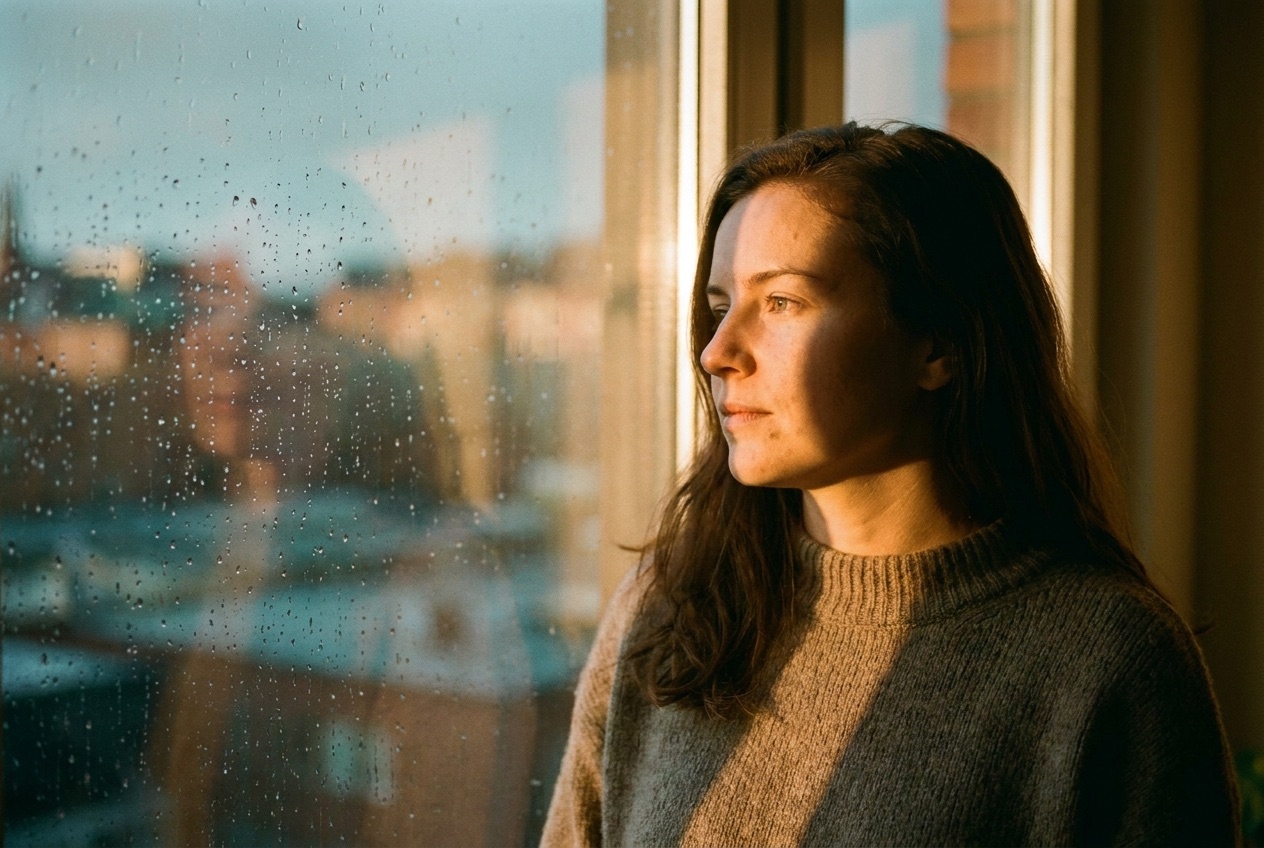
[ The develop panel ]
This is the real thing, running in your browser. Grade the sample below, or press Auto-develop and watch the engine set them for you.
Hold to see original
[ How the engine sees ]
Aperture Lab grades in the linear light your sensor actually recorded — highlights have room to roll off instead of clipping to paper white. The photograph keeps its air.
A segmentation pass separates sky, skin and shadow so a lift in the foreground never bruises the highlights behind it. Dodge and burn, decided for you, editable by you.
Film grain is modelled per channel and per luminance, so it lives in the shadows the way silver halide did — not a flat overlay stamped across the whole image.
[ Looks ]
Each look is a full develop recipe — tone curve, split-toning, grain and local intent — that the engine adapts to your frame. Click one to apply it above.
The negative was always enough.
Develop your first frame